

This For theFor the solo hiker pushing through the Piney Woods or the Lowcountry, speed isn’t just a luxury—it’s the whole point. This LifeStraw Peak Solo review digs into a filter that’s finally giving the Sawyer a run for its money. It’s got a refined feel and a flow rate that, frankly, feels like a gift when you’re parched and miles from camp. If you’ve spent years fighting with older, slower systems, this fast-flow water filter might be the gear swap you’ve been waiting for, especially for ultralight trekking in the Southeast.
Built for the Fast-Mover: LifeStraw Peak Solo Performance
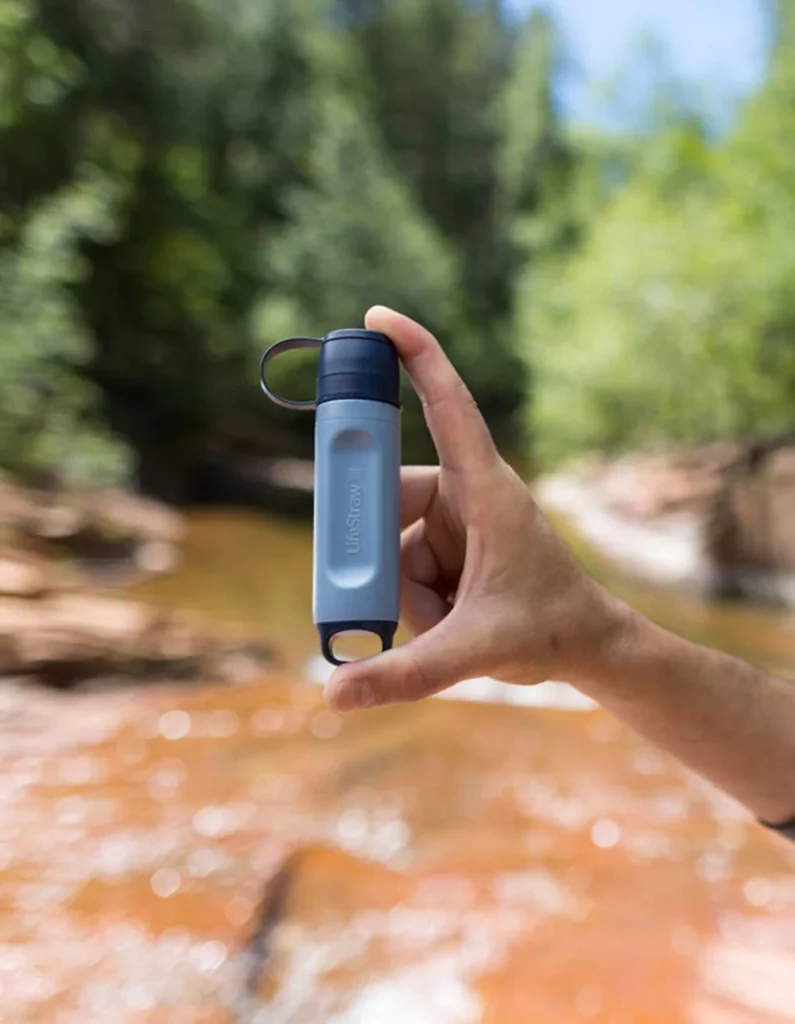
The Peak Solo is shorter, sleeker, and honestly just feels better in the hand than most competitors. It’s tough, too. The premium-feeling plastic handles, shoved into a pack side pocket, work much better than the original LifeStraw “straws” ever did.
💡 SKILLED PRO-TIP Water is your first priority, but power is your second. Once you’ve secured your filtration kit, see how we managed long-term emergency power during our latest grid-down simulation.
Read the Jackery 2000 Plus Field Report →
The real story here is the fast-flow water filter speed. Straight out of the box, this thing moves water at about 3 liters per minute. For a solo hiker grinding out 20-mile days in that thick Carolina humidity, being able to “camel up” and get moving in under three minutes is huge. In the peak of a Southern summer, that kind of efficiency is as much about safety as it is about convenience.
Southern Specifics: The Threading Advantage
If you trek in the South, you know the value of universal 28mm threading. It threads onto a standard SmartWater or soda bottle without a hitch. But the Solo has a secret weapon: a bottom cap.
It sounds small until you’re kneeling in the muck at Francis Marion National Forest trying to filter from a shallow bank. That cap keeps the “clean side” of your filter out of the grit while you work. For solo hiking gear used in swampy or low-country terrain, that’s a massive design win.
LifeStraw Peak Solo vs Sawyer: The Head-to-Head
When you put the LifeStraw Peak Solo vs Sawyer side-by-side, it’s a classic trade-off: pure speed vs. total lifespan.
| Feature | LifeStraw Peak Solo | Sawyer Squeeze |
| Flow Rate | ~3 Liters/Minute | ~1.5 – 2 Liters/Minute |
| Lifespan | 4,000 Liters | 100,000 Gallons |
| Dry Weight | 1.7 Ounces | 3.0 Ounces |
| Best Use | Fast-packing & Solo Trekking | Long-distance Thru-hiking |
The Peak Solo is significantly lighter and faster, making it the king of ultralight trekking in the Southeast. However, the Sawyer’s massive lifespan makes it a better value for those living on the trail for six months at a time.
Durability: What This LifeStraw Peak Solo Review Found in the Field
While the flow is faster initially, the Solo can still struggle with the heavy particulates found in slow-moving Southern rivers. Silt and tannins are the enemies of any hollow-fiber membrane.
The good news? The back-flush process is more intuitive. It uses a screw-on syringe method similar to its competitors but seems slightly more resilient to airlocks. To maintain that fast-flow water filter speed, we recommend back-flushing every evening after you reach camp, especially if your water source looked like “sweet tea.” You can see the full specs for this on the LifeStraw website.
Maintenance for Solo Hiking Gear
To keep your Peak Solo running at peak performance in the Piney Woods, follow these three rules:
- The Shake Test: If the flow slows down mid-hike, give the filter a vigorous shake to loosen large sediment before back-flushing.
- Standard Threading: Always carry at least one standard 28mm bottle as a backup “squeeze” vessel.
- Storage: Do not allow the Peak Solo to freeze. If you are trekking the Appalachian Trail in the shoulder season, keep this filter in your sleeping bag at night.
Verdict: LifeStraw Peak Solo Review Summary
If you value “stop-and-go” efficiency and want a filter that feels more modern and rugged, the LifeStraw Peak Solo is the solo trekker’s best friend. It balances weight and speed better than almost anything else on the market today. For more options, check out our complete guide on the best water filtration devices.
Hopefully, this LifeStraw Peak Solo review helps you decide if speed or longevity is your top priority for your next trek.